
What Does Better Coffee Look Like in the Age of AI?
At Unimate, we believe coffee is the pulse of the city—and in 2026, artificial intelligence is redefining that pulse. Recent data show a booming North American market: one analysis pegged robotic baristas at $1.34 billion (2024) with ~18.6% annual growth[1]. Prototype kiosks are already brewing ~120 cups per hour[1]. At CES 2026, companies like Artly AI demoed robotic arms that mimic expert baristas to serve consistent, high-quality beverages[2]. These machines promise 24/7 operation and zero sick days[1], aiming to eliminate lines and erratic drinks – but coffee is an art, and customers have discerning tastes.
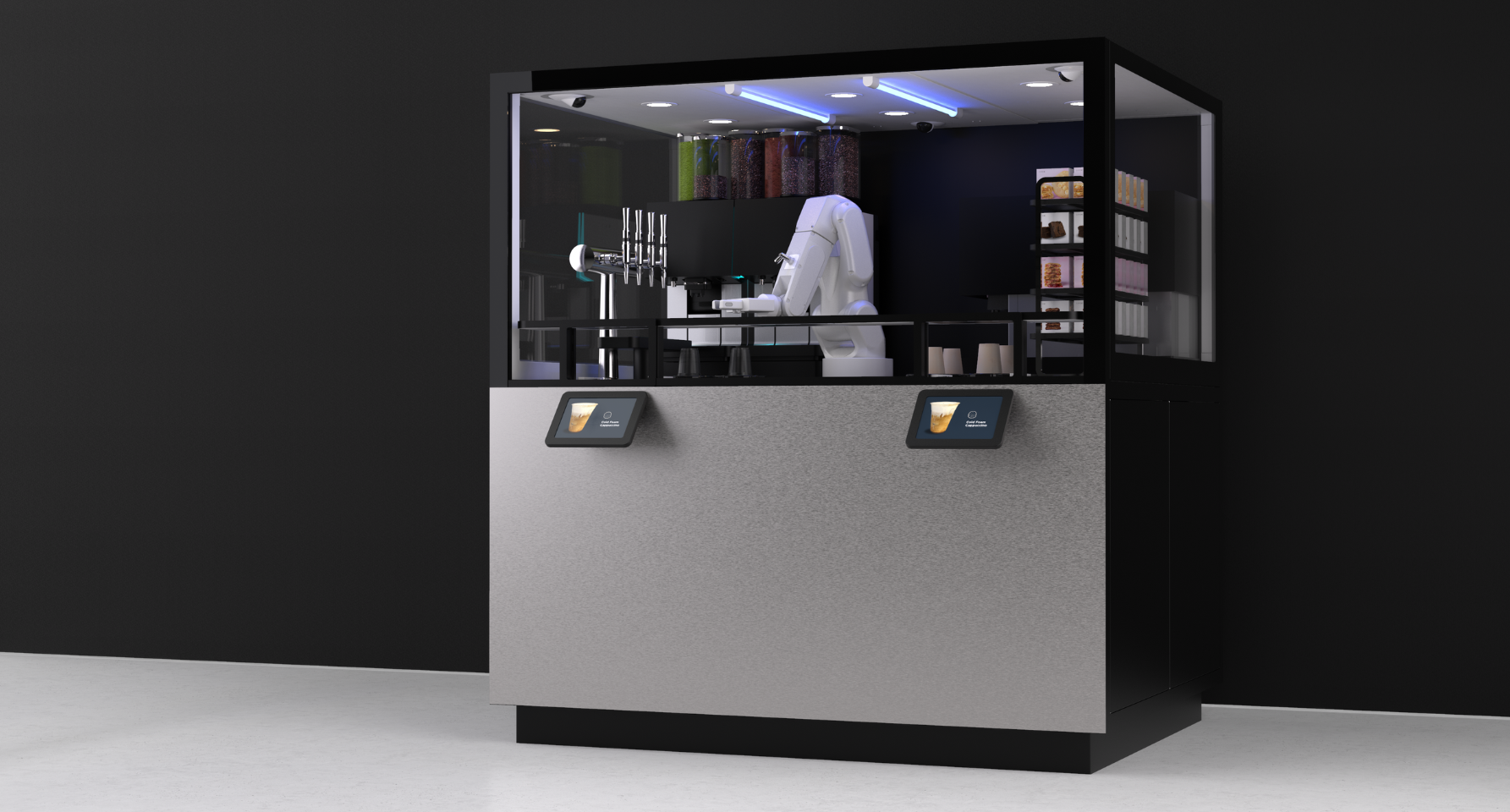
Robots are trained on barista movements to achieve precision. For example, Artly’s BaristaBot “learns from champions” by breaking down expert barista moves into recipes[3][4]. Industry reports highlight this consistency as a strength: one estimate notes these kiosks deliver 98% recipe accuracy[5]. Yet coffee lovers also value craftsmanship. As an Artly designer admitted, coffee-making “is not simple at all,” requiring nuance in pressure and timing[3]. In practice, some testers find robot-made drinks surprisingly good, while others say the taste lacks the warmth of a hand-pulled cup.
Surveys confirm that people want quality and speed. In the U.S., roughly 45% of adults had a specialty coffee the previous day[6], and they’re willing to pay for excellence: 67% of consumers say they’d accept a ~30% price bump for higher quality, and 82% would pay extra for faster convenience[7]. In short, people want top-shelf drinks and quick service. This matches retail trends: in fall 2025, 59% of U.S. coffee purchases were via drive-thru and 38% through mobile apps[8]. Meanwhile, rising prices are pushing customers to brew at home: one report found 55% of drinkers cut back on cafes due to cost increases[9], with most U.S. adults now having coffee at home (81%) versus only 36% out-of-home[10]. These signals highlight the trade-offs consumers weigh: they want specialty coffee, but with better value and speed.
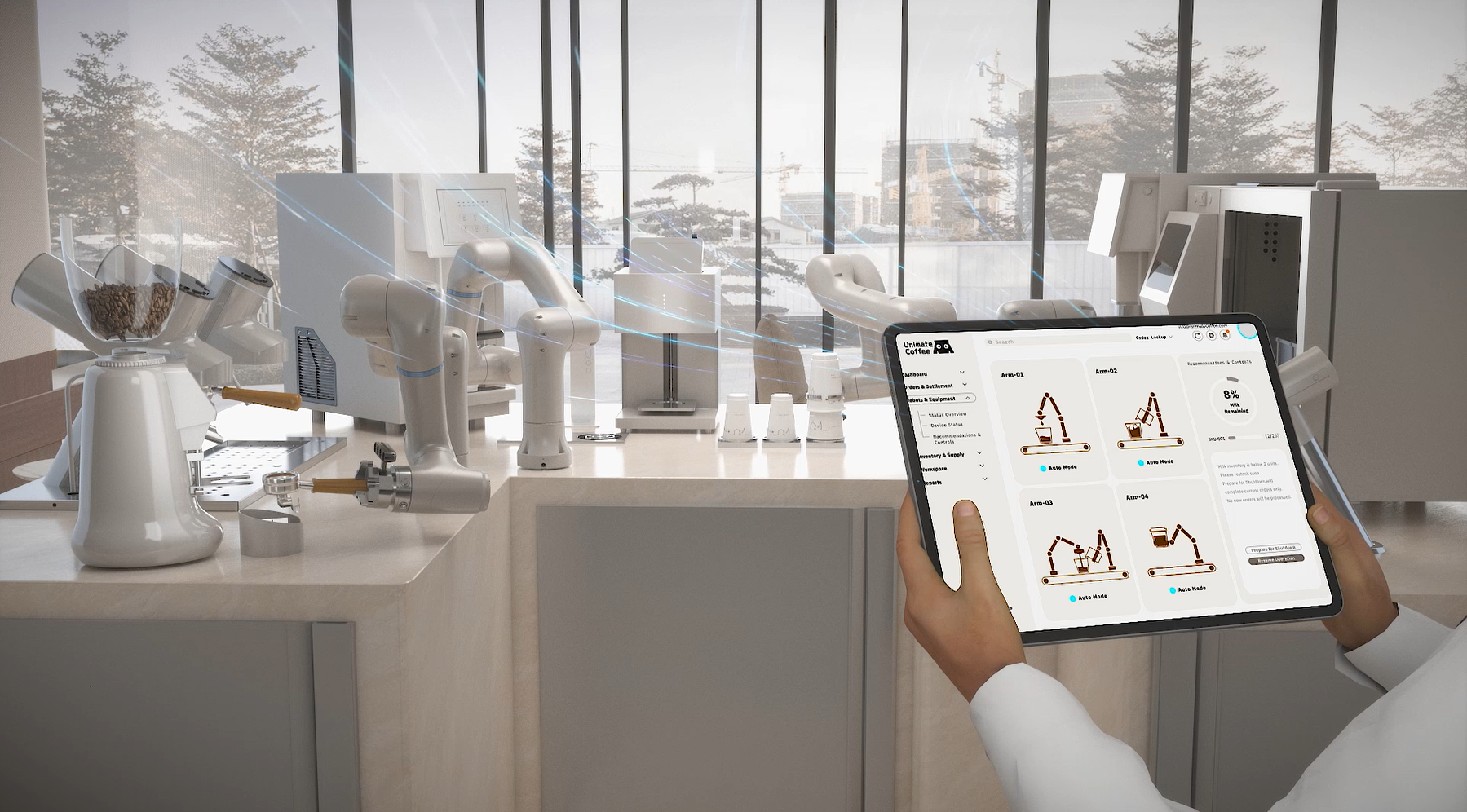
Automation is also reshaping shop operations and safety. Robots can tackle labor-intensive tasks, helping reduce costs. Analysts note robotic kiosks run 24/7 with zero labor costs, often paying for themselves in ~1 year[5]. Cafés using self-order kiosks report shorter queues and fewer mistakes, freeing baristas to focus on craft and customer service[11]. Hygiene is another factor: studies find ~80% of consumers consider public touchscreens unhygienic[12], so contactless ordering is a confidence-booster. Indeed, experts observe a jump in queries for “hygienic coffee” and “contactless quality” lately. However, this model isn’t perfect. Many robot kiosks are cashless and app-based[13], which can exclude customers without credit cards or smartphones. In Canada, for example, an analysis warned that fully automated cafes may shut out as much as 15% of patrons who are underbanked or need assistance[13][14].
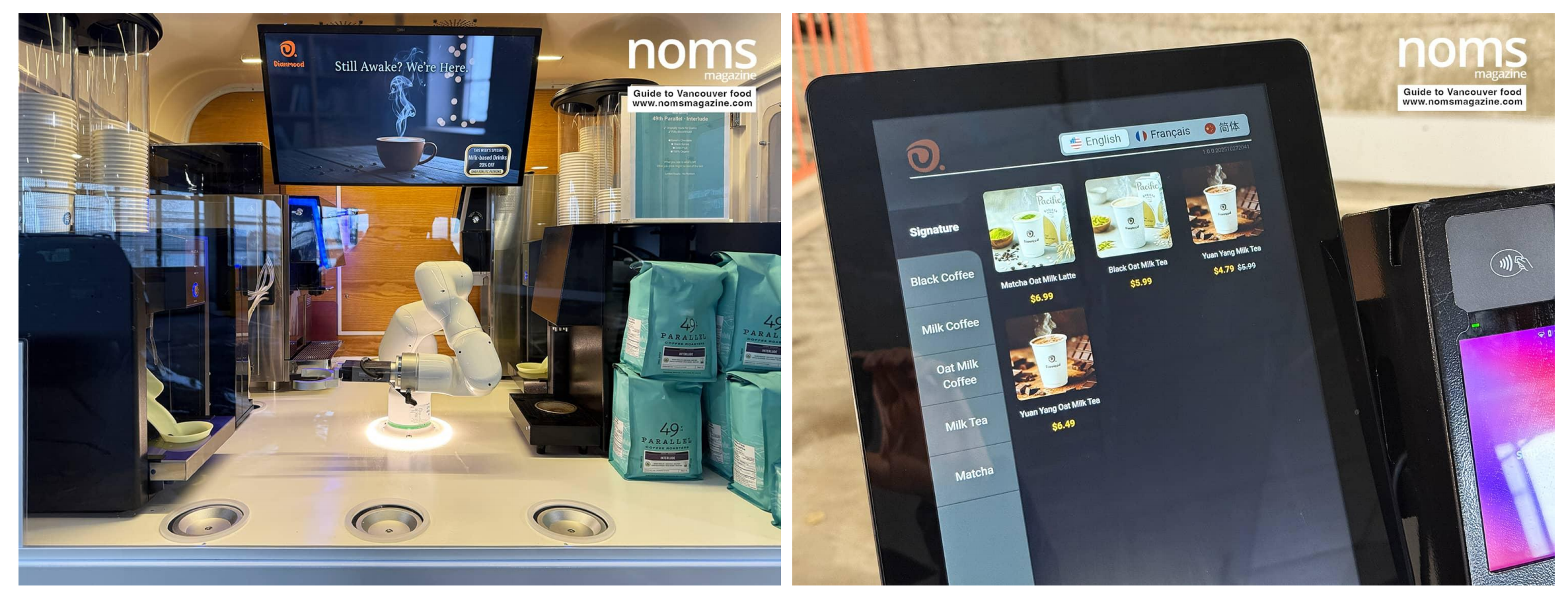
In real-world pilots, feedback has been mixed. Some customers love the novelty, but not all reviews are glowing. In Vancouver, a food reviewer noted a new parking-garage robot barista charged standard prices “for the robot show” yet delivered lukewarm coffee with flavor “closer to a terrible office coffee maker” than a good café[15][16]. Similarly, a traveler at San Francisco airport reported a robot kiosk disconnected mid-order, leaving him without coffee; attempts to get support or a refund failed when company contacts proved unreachable[17]. Such stories highlight real pain points: the machines solve some problems (labor, consistency) but can introduce new ones (glitches, lack of support). Others note that robot service can be slow – about 3 minutes per drink[18] – and most setups still have a human on standby to refill milk or clean up[19]. In short, early adopters enjoy the convenience and novelty, but they also expect flavor, speed, and reliability comparable to a good café.
Better coffee in the AI era means blending the precision of machines with the soul of specialty coffee. The data show that automated kiosks can boost consistency, speed, and hygiene, but customers won’t compromise on taste or value. Going forward, Unimate’s challenge is clear: keep innovating so that every cup is not just technically perfect, but genuinely delightful. In our vision, the Unimate “better coffee” is one that makes premium quality effortless—combining advanced AI with a human touch to start each city day right.
Key Takeaways:
· Automation is accelerating. The NA AI coffee market is booming[1]. Fully robotic kiosks (e.g. Artly, Cafe X) are live in several cities and at airports, each serving 100+ drinks/hr[1].
· Consistency vs. craft. Robots deliver precision – many claim ~98% recipe consistency[5] – eliminating human error. But they’re also being trained to preserve craft: designers study champion baristas to capture subtle techniques[3][4]. Consumers will judge whether that tech “feels” as authentic as a skilled barista.
· Consumer priorities. Surveys show drinkers love specialty coffee (45% enjoyed one yesterday[6]) and will pay for it if convenient (82% pay more for speed[7]). However, nearly two-thirds find current cafe prices burdensome: >55% have cut back on out-of-home coffee amid inflation[9]. This means the ideal AI café must deliver premium taste and smart pricing.
· Speed & experience. In theory, robots work faster and cheaper (no shifts or sick days). In pilots, however, individual wait times can remain high (~3 min/drink[18]) and prices often stay at normal café levels[15]. Users note that if the coffee isn’t noticeably better or cheaper, the robotic “show” alone isn’t enough to win loyalty.
· Hygiene & trust. Automated, contactless ordering scores big on cleanliness[12], meeting post-pandemic expectations. But requiring digital payment or apps can alienate some customers[13]. Balancing tech with access (e.g. accepting cash, offering human assistance) will be important.
· Real feedback shapes the future. Early reviews highlight issues: technical hiccups (a kiosk going offline mid-use[17]), spotty customer support, and flavor or price disappointments[15]. These real-world insights are invaluable for improvement.
[1][5] AI Is Coming for Coffee Shops: Sell Before 2027
https://www.jeneshmakesdeals.com/blog/coffee-shop-ai-disruption-sell-2026
[2] CES 2026: AI, robotics drive B2C/B2B crossover
https://retailsystems.org/ces-2026-ai-robotics-drive-b2c-b2b-crossover/
[3][4] Artly Robots Master Latte Art and Drinks for CES 2026 Debut - Yanko Design
https://www.yankodesign.com/2026/01/07/artly-robots-master-latte-art-and-drinks-for-ces-2026-debut/
[6][7] Coffee Statistics 2025: Market Trends, Consumption Data & Consumer Ins – Everyday People Coffee & Tea
[8][11] Coffee shop trends to watch out for in 2026 - Perfect Daily Grind
https://perfectdailygrind.com/2026/01/coffee-shop-trends-in-2026/
[9][10] As prices climb, coffee stays home - Coffee Intelligence
https://intelligence.coffee/2025/06/as-prices-climb-coffee-stays-home/
[12] Self-service kiosks get touchless motion control as consumers worry about hygiene - InternetRetailing
[13][14] Employers Should Use Skill-Based Hiring to Find Hidden Talent and Address Labour Challenges [Op-Ed]
[15][16] Richmond's Newest Robot Barista Is In The Most BIZARRE Location
https://nomsmagazine.com/richmonds-newest-robot-barista-bizarre-location/
[17] Cafe X Robot Cafe at SFO instagram account blocked me when I tried to reach out for a refund after their machine broke and I didn’t receive my order : r/sanfrancisco
https://www.reddit.com/r/sanfrancisco/comments/1e4vb2u/cafe_x_robot_cafe_at_sfo_instagram_account/
[18][19] I don’t hate the robot barista like I thought I would | The Verge
https://www.theverge.com/tech/871350/artly-robot-coffee-jarvis-seattle