
WRC 2026: The Next Wave of Robots Will Go Beyond Humanoid
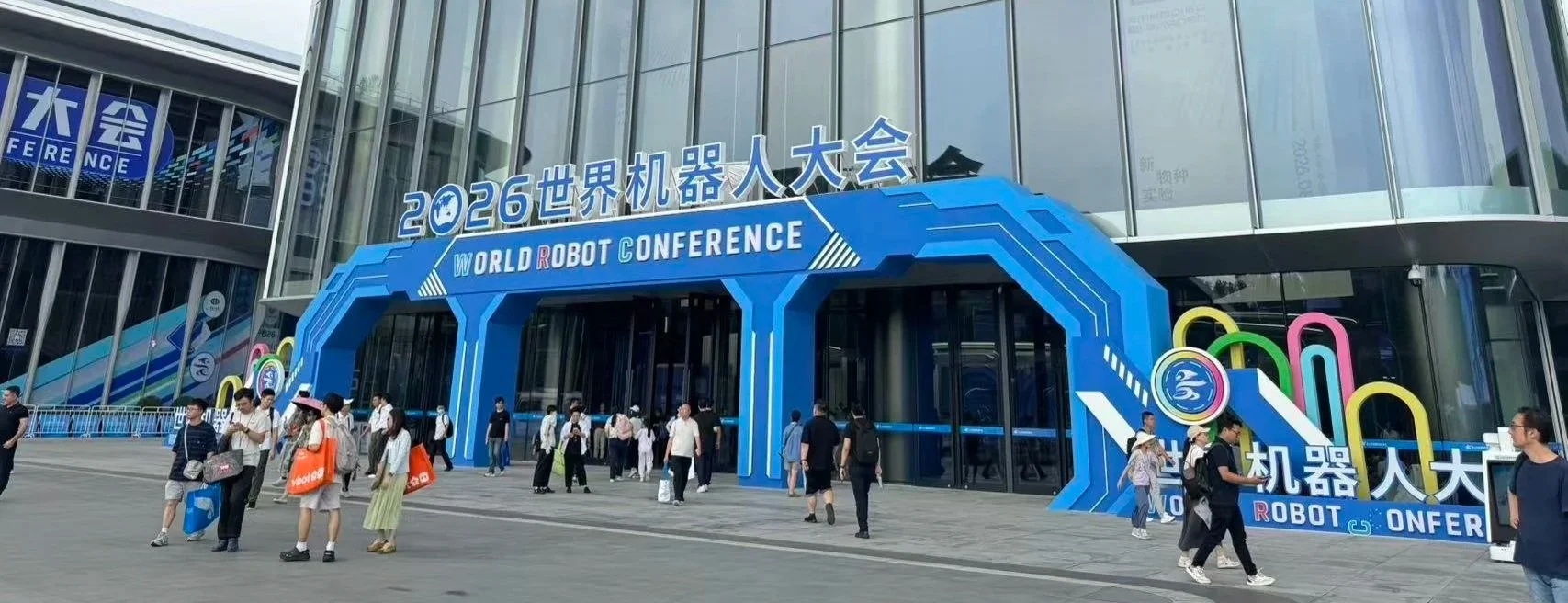
What the World Robot Conference 2026 reveals about the shift from robot demonstrations to real commercial automation.
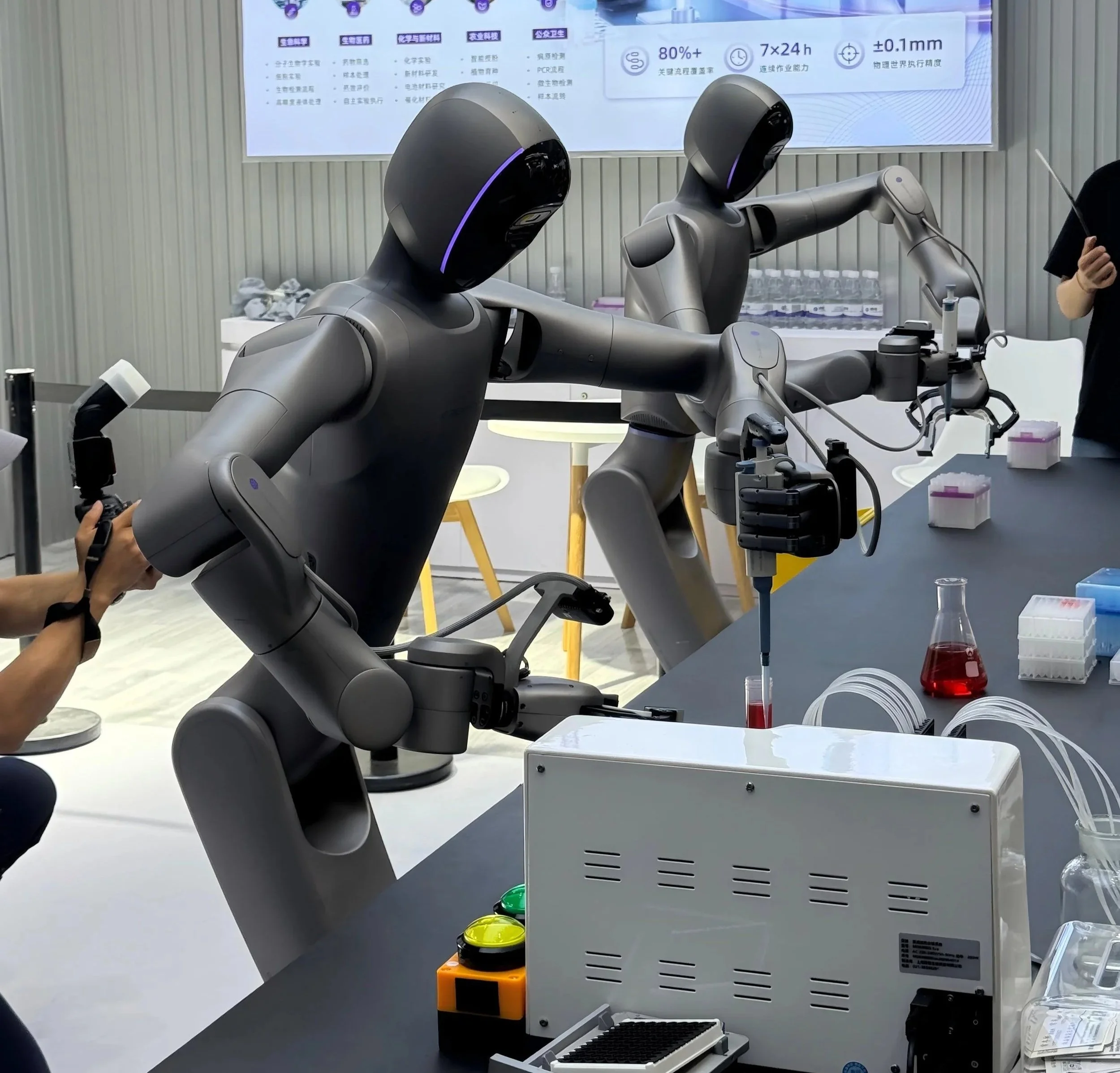
Walking through the World Robot Conference 2026 in Beijing, one thing was impossible to miss: robots are no longer confined to research labs. More than 2,000 exhibits from over 300 companies were presented across manufacturing, logistics, catering and retail, healthcare, entertainment and other applications, with more than 150 products making their debut.
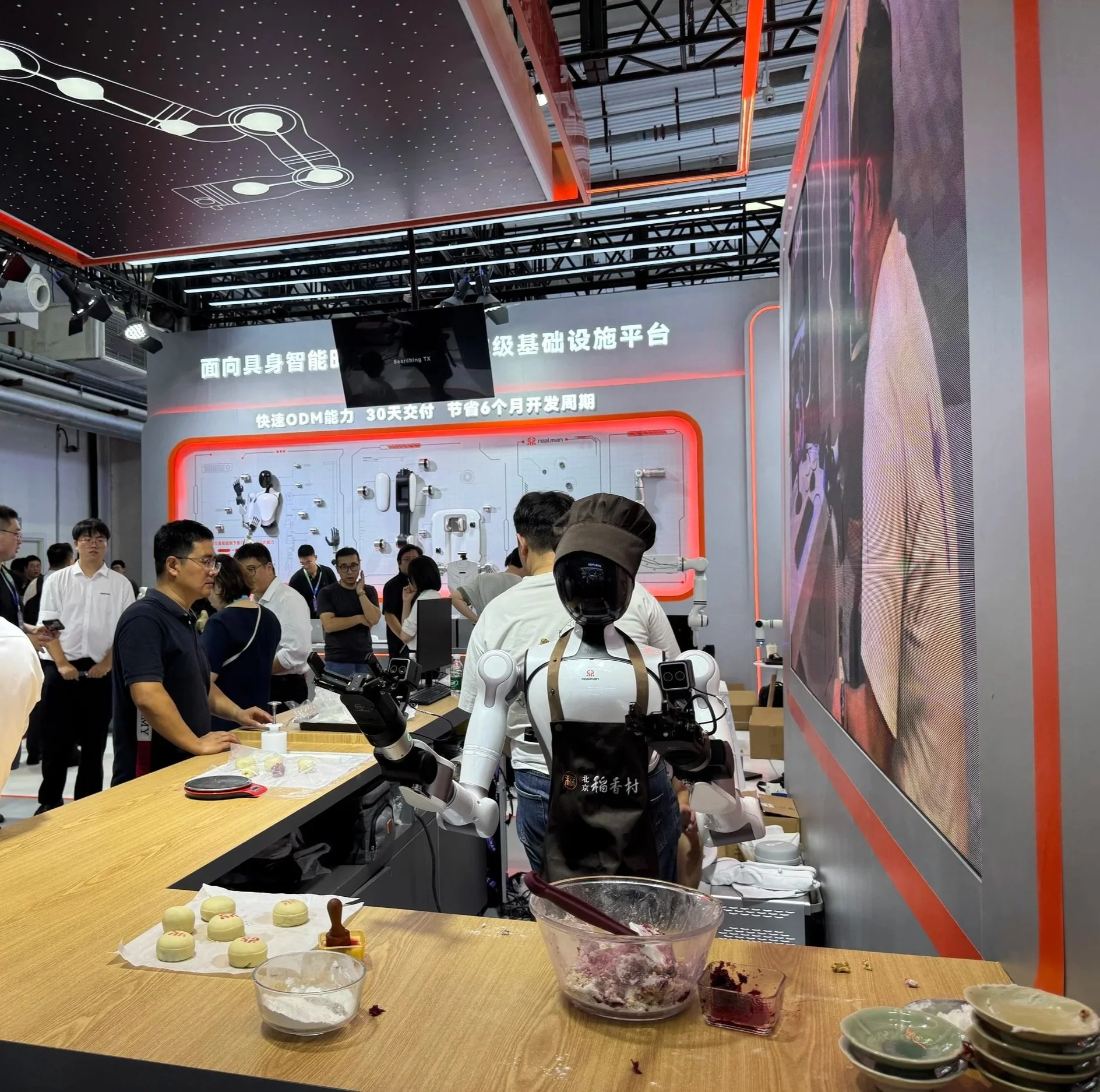
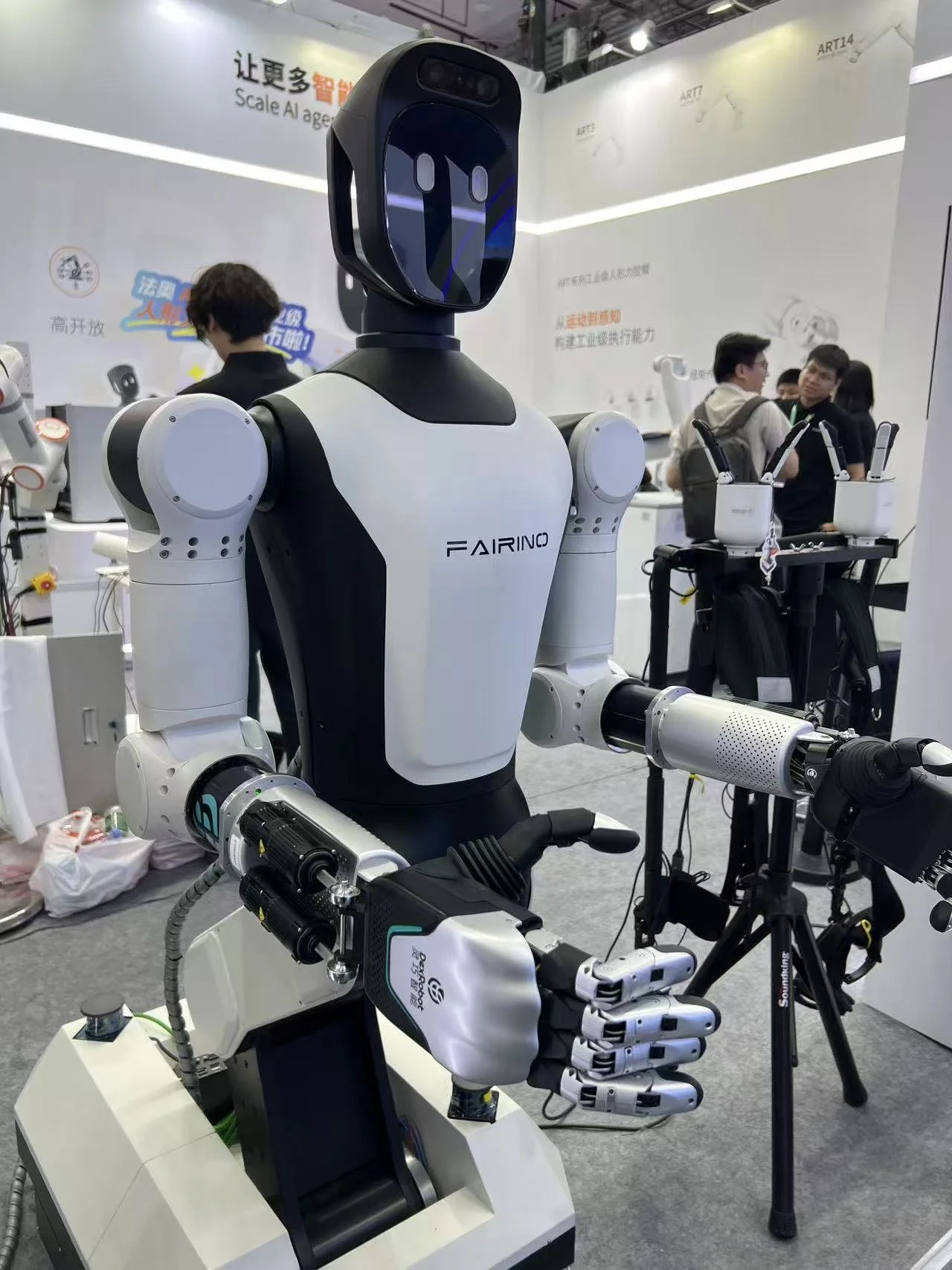
Humanoid robots were everywhere. Some walked, danced, played sports and interacted with people. Others demonstrated manipulation, industrial tasks and AI-driven interaction. The exhibition even featured a “Robot Shopping Street,” where robots prepared food and beverages for visitors.
For us at Unimate Coffee, however, the most interesting question was not how many robots are being developed, but what happens after the robot arrives at the customer's site.
From “Can Robots Work?” to “Can Robots Keep Working?”
The numbers suggest that robotics is entering a new phase.
Morgan Stanley’s The Humanoid Signal: Progress Check, WRC Preview estimates global humanoid robot sales at around 190,000 units in 2026, representing a 272% year-over-year increase. Rapid growth like this suggests that robotics is moving beyond pure prototyping toward early commercial validation, while the supply chain supporting robot production is becoming increasingly mature.
But sales are only the first test.
A company may be willing to purchase a robot to explore a new technology, attract attention, train AI models or create a memorable customer experience. The harder question is whether that company will continue using the robot six months or two years later.
This distinction matters. Early deployments tend to favor relatively accessible applications such as entertainment, reception, education, research and data collection. The next wave of validation is likely to move deeper into factories, logistics, retail, hospitality and food service—environments where robots must complete real workflows rather than simply perform individual tasks.
The standard for success therefore changes.
A robot that can make one impressive movement is a demonstration. A robot that can complete hundreds of orders reliably, recover from errors, maintain consistent quality and produce acceptable unit economics is a business.
The next stage of robotics will not be measured by how impressive a robot looks on stage, but by how reliably it performs when nobody is watching.
Humanoids Are the Trend. But Are They the Answer?
There is no question that humanoid robots are one of the industry's biggest development trends.
Their appeal is understandable. Human environments were designed around human bodies, so a machine with two arms, two legs and a human-like form could potentially operate existing spaces without requiring every environment to be redesigned.
But copying the human body does not automatically mean matching human performance.
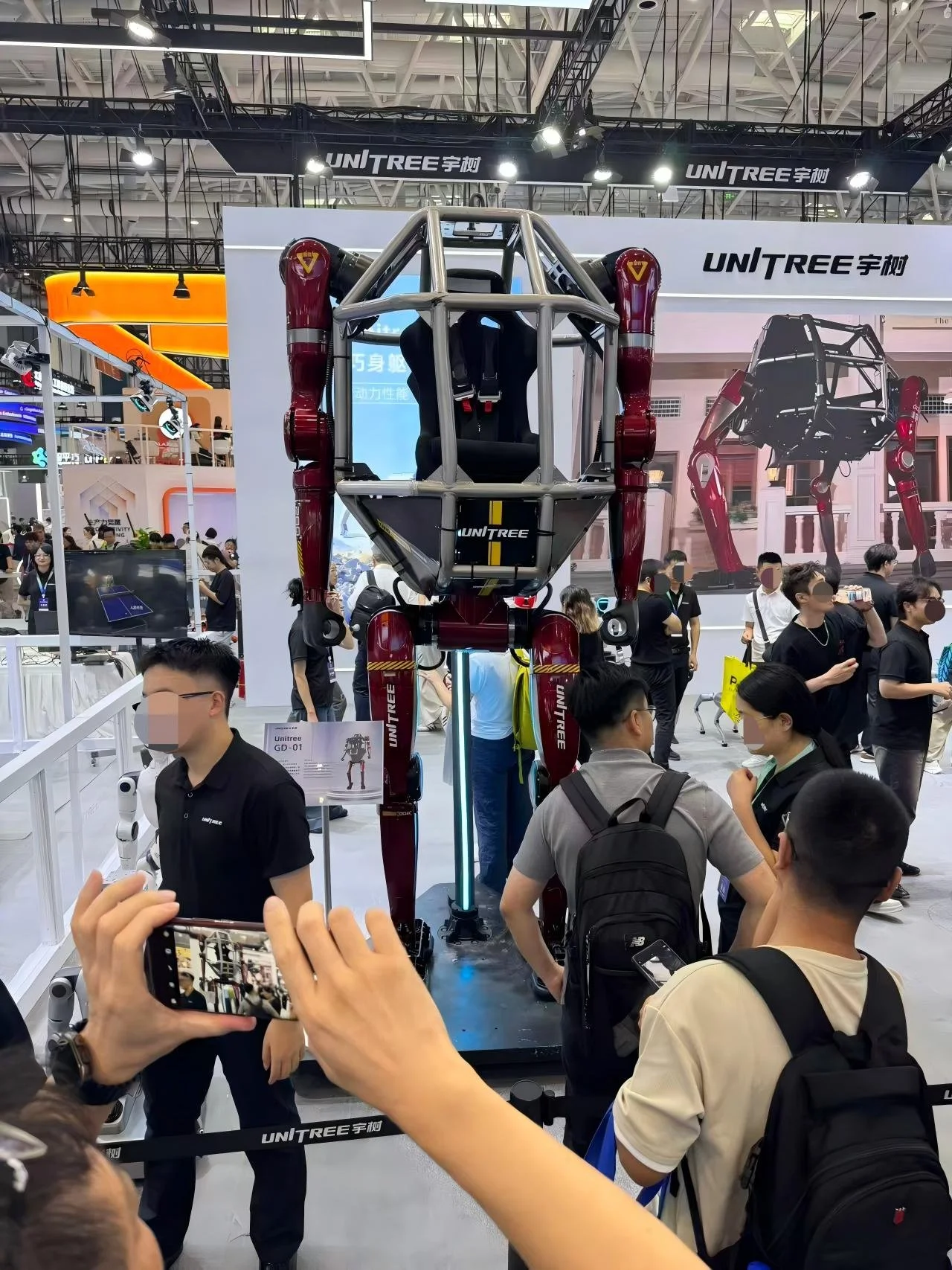
A humanoid robot must coordinate many degrees of freedom, process complex visual information, maintain balance, manipulate different objects and operate safely around people. In a commercial environment, every additional layer of flexibility can also introduce additional complexity, cost and potential failure points.
Morgan Stanley's research points to an important gap between demand and current product performance: 62% of surveyed enterprises indicated willingness to adopt wheeled or bipedal robots, while reported satisfaction with current products remained only 23%. The opportunity is clearly there—but the technology still has significant room to improve.
We believe this is where specialized robotics deserves more attention.
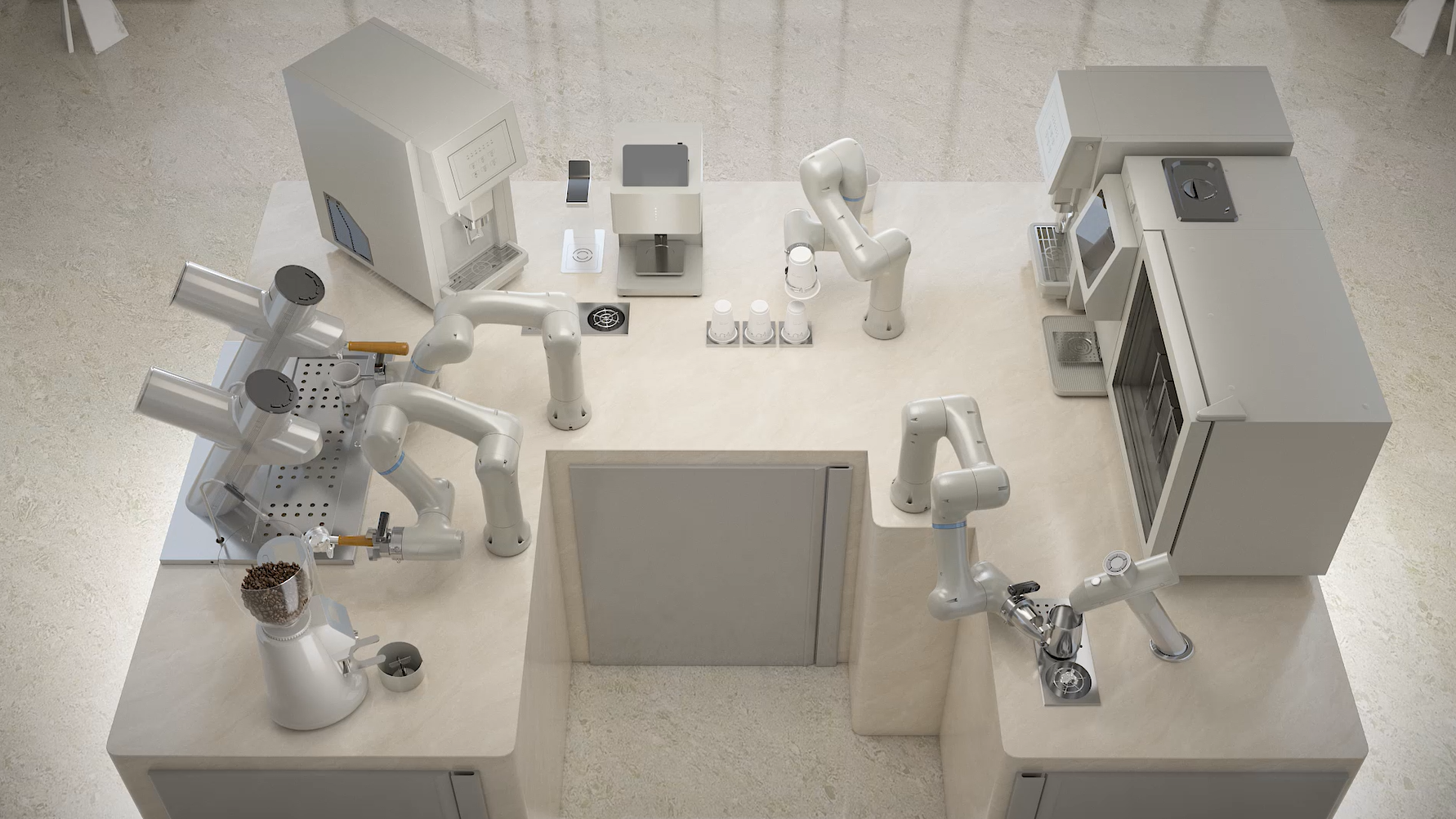
A coffee robot doesn’t need two arms, a human-like body, or even voice interaction. It isn’t designed to replicate the full range of human physical movement. It is designed to make coffee reliably, efficiently, and economically.
That difference can fundamentally change the engineering problem.
Instead of asking, “How do we make a robot behave more like a human?”, we can ask:
“How should we redesign the workflow so the robot can perform the job better?”
At Unimate Coffee, this is the philosophy behind our development. Our approach is not to reproduce a human barista mechanically. We design the robotic system around the requirements of beverage production—from order processing and ingredient handling to brewing, finishing and delivery.
In some commercial environments, a purpose-built production-line architecture can be significantly more efficient than a humanoid architecture attempting to imitate the same human workflow.
The Real Competitive Advantage May Be the Data Loop
There is another shift taking place beneath the hardware race.
As robots enter real businesses, the competitive advantage of robotics companies will increasingly depend on how well they connect hardware, software and operational data.
The process is straightforward:
Deploy → Collect → Evaluate → Improve → Redeploy.
A robot working in a laboratory can generate useful training data. A robot working in a real café can generate something more valuable: data from thousands of unpredictable interactions.
What happens when an ingredient runs low? When a customer changes an order? When several orders arrive simultaneously? When a cup is placed slightly outside its expected position? When a machine behaves differently after hours of continuous operation?
These edge cases are difficult to reproduce in a controlled laboratory or exhibition hall.
Real operations expose the robot to the diversity, frequency and unpredictability that ultimately determine whether automation works commercially.
That means deployment is not only a source of revenue. Deployment is also R&D.
Every real-world operation can help improve perception, task planning, error recovery, workflow optimization and the next generation of the product. Over time, companies that build this continuous improvement loop can turn operational experience into a genuine competitive advantage.
The Future of Robotics May Simply Work Better
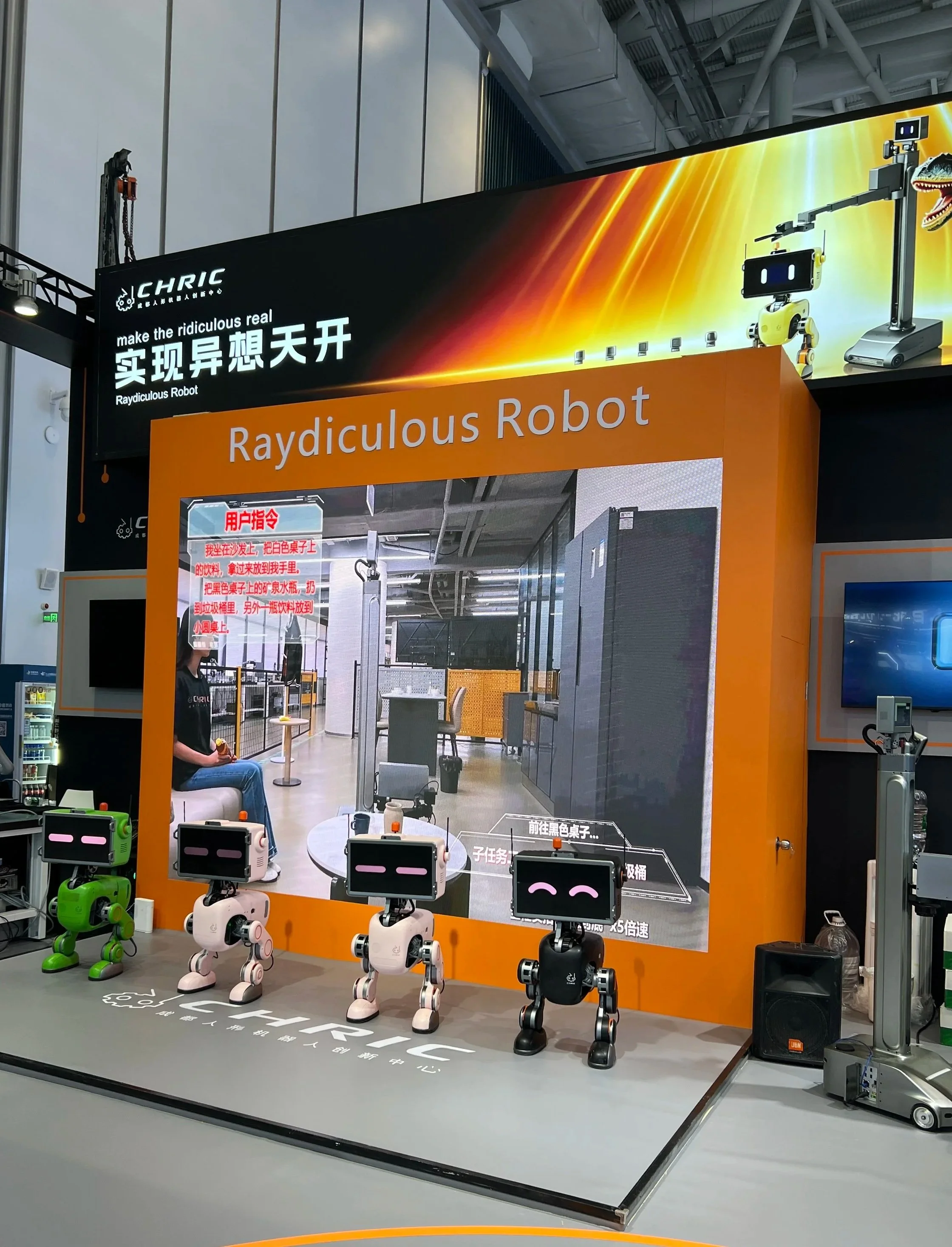
The World Robot Conference 2026 made one thing clear: robotics is moving rapidly from “Can we build it?” toward “Can we make it commercially useful?”
Humanoids may become increasingly capable, and general-purpose robots will undoubtedly open new possibilities. But the future of automation will not be defined by one universal robot shape.
Different environments have different requirements.
Factories may need industrial arms. Warehouses may need mobile robots. Laboratories may need precision manipulators. Restaurants and cafés may need specialized systems designed around their workflows.
At Unimate Coffee, we believe the winning robot is not necessarily the one that looks most like a human but the one that performs real work reliably, efficiently and economically.